
Jujutsu Kaisen Season 3 Episode 4: Why Fans Have Different Feelings About Maki’s Big Episode
Jujutsu Kaisen Season 3, Episode 4 has become super popular! People are sharing clips and pictures everywhere. This episode focuses on Maki and shows her fighting in the most amazing way.
But here’s something interesting: not everyone feels the same way about it. Anime watchers think it’s incredible, while manga readers have mixed feelings. Both groups agree the animation looks beautiful, but they see the story differently.
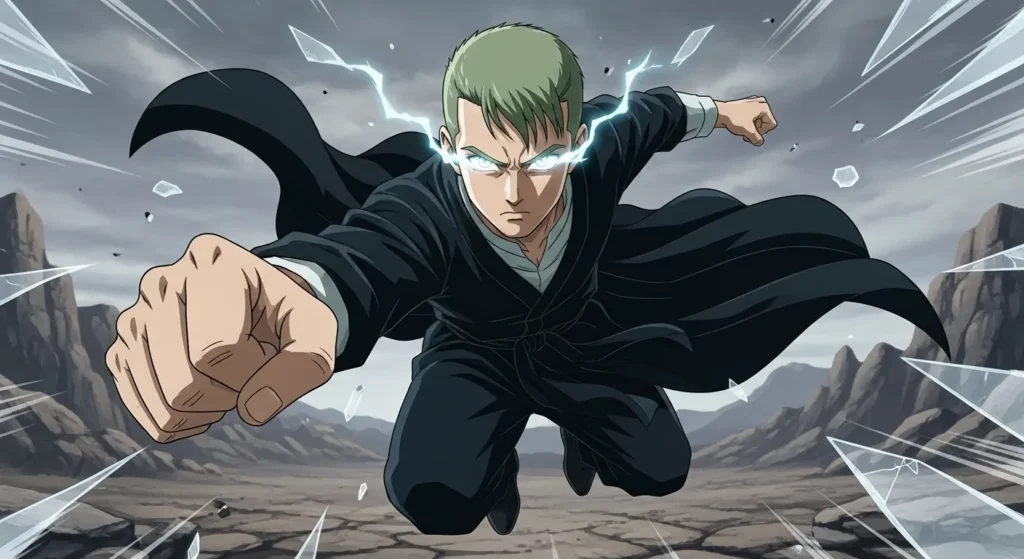
The Episode That Carried Too Much Hype
Long before the episode aired, fans knew it was meant to be special. The staff lineup was stacked, and the director had teased this chapter of Maki’s story for a long time. That build‑up created the expectation that Perfect Preparation would receive a definitive, almost reverential treatment on screen.
What viewers got instead was something different: not a failure in craftsmanship, but an adaptation that chose to chase energy and spectacle over quiet devastation. That choice is at the core of why so many manga readers walked away conflicted.
Perfect Preparation: From Bleak March to High‑Speed Brawl
In the manga, Maki’s return to the Zenin clan compound is not just an action set‑piece. It is a bleak march through a place that suffocated her for most of her life. From the moment she steps back into her old home to the moment she leaves, the atmosphere is heavy, almost suffocating. The violence is brutal, but it’s never just cool it’s the outward expression of grief, rage and the cost of Mai’s sacrifice.
The anime clearly understands parts of this. The added shots of Maki walking the lone path to and from the Zenin headquarters are a beautiful touch that visually underline her isolation and resolve. Yet once the fighting begins, the tone shifts. The pacing ramps up, the music energizes the scenes, and the bleak air of desolation is gradually replaced by something closer to victory lap hype.
The result is an episode that feels exhilarating when it should also feel crushing.
When Key Moments Lose Their Edge
Some of the most telling differences between manga and anime show up in how specific scenes are handled. These aren’t minor details; they’re moments that define how Maki’s transformation is perceived.
The first is her emergence from the cursed spirit training room. On the page, this is a slow, chilling reveal: Ogi realizes every curse has been killed and turns to see not a simple doorway, but an empty black void, with Maki at the center of it. It’s the visual confirmation that she has stepped into a new, terrifying realm of strength. On screen, this sequence passes much more quickly, with less emphasis on stillness and dread, which ends up softening what should feel like the true payoff to Mai’s death.
The second is Ogi’s vision of Toji in Maki. The manga presents them side by side in the same pose, a simple, brutal image that tells you everything about how far Maki has come and how much she now resembles the family’s greatest monster. The anime turns this into a brief, almost throwaway flash of Toji overlaid on Maki’s body. It’s there, but it doesn’t linger, and what should be a defining “she’s become him” moment becomes more of a blink‑and‑you‑miss‑it nod.
Even the fan‑favorite Kukuru Unit fight reveals the adaptation’s priorities. On paper, it’s a scrappy, vicious beatdown that makes Maki feel like a person consumed by grief and anger, tearing down the clan that destroyed her sister. In the anime, the same sequence is reimagined as a stylish Kill Bill homage, with heightened framing and a funky, breakbeat‑driven soundtrack. It looks incredible, but the overpowered, detached version of Maki we see here feels less like someone grieving and more like an untouchable action heroine. The brutality is still there but the rawness isn’t.
Spectacle Over Sorrow
None of this is to say the adaptation is lazy. On the contrary, the passion is obvious in nearly every cut. The problem is focus. Where the manga leans on silence, negative space and brutal simplicity, the anime leans on dynamic camera work, dense choreography and memorable “aura” shots.
That imbalance makes Perfect Preparation feel fundamentally different. The core narrative remains, and the key beats are technically present, but the emotional temperature is turned way down. The story of a girl destroying her clan in the aftermath of her sister’s sacrifice has, in places, been reframed as a showcase for how cool that destruction can look.
For a series like Jujutsu Kaisen, which often excels at marrying heavy themes to thrilling combat, that subtle shift matters a lot.
Two Fandoms, Two Sets of Expectations
The split in reactions between Japanese and Western audiences reflects those choices. Many Japanese viewers, who tend to value fidelity to the manga’s tone and framing, have been vocal about their disappointment in how certain moments were handled. For them, Episode 4 doesn’t just change the vibe; it undermines what made those chapters special in the first place.
On the other hand, a significant portion of Western fans has embraced the episode as one of the show’s high points, focusing on its animation quality, choreography and cinematic flair. For viewers less attached to the exact panels of the manga—or those who haven’t read it recently—the episode absolutely delivers on the promise of a Maki‑centered spectacle.
Neither response is inherently wrong; they simply reveal different expectations. One side wants a faithful emotional replica; the other is happy with a bold reinterpretation, as long as it looks and feels exciting.
A Brilliant Episode, But Not the Definitive Adaptation
In the end, Jujutsu Kaisen Season 3, Episode 4 lives in a strange space. As an isolated anime episode, it’s easy to call it one of the series’ best: confident direction, high‑level animation and a central character finally getting the visual spotlight she deserves. But when measured against the manga chapters it adapts, the cracks appear. Tonal inconsistencies, rushed payoffs, and the decision to prioritize momentum over mourning all contribute to an adaptation that doesn’t quite capture the same magic.
It’s a reminder of what makes adapting manga so difficult. Expanding fights and heightening spectacle is one of anime’s strengths—but when those choices come at the cost of quiet devastation and emotional clarity, even the “best” episode can leave a lot of readers feeling like something essential was lost along the way


